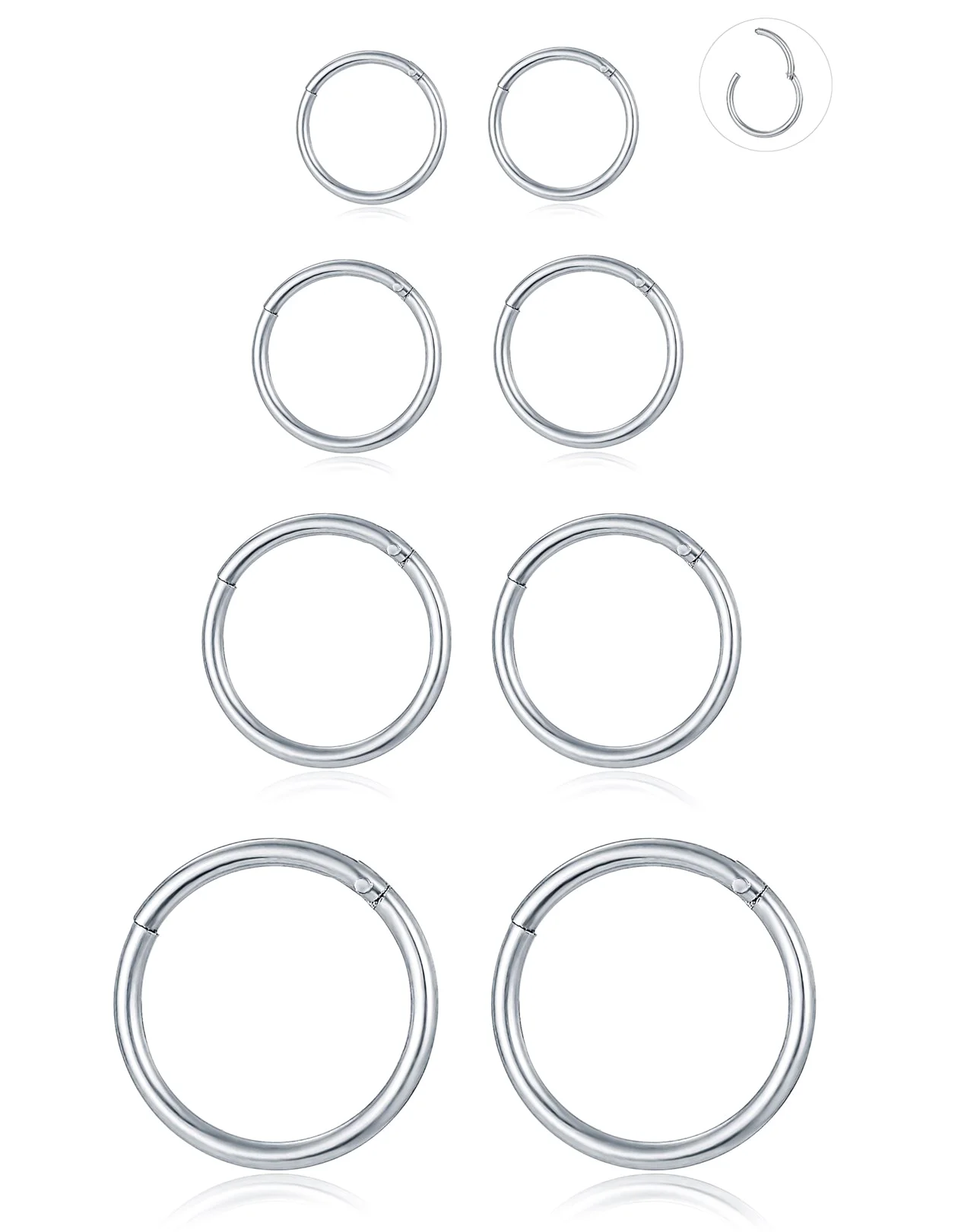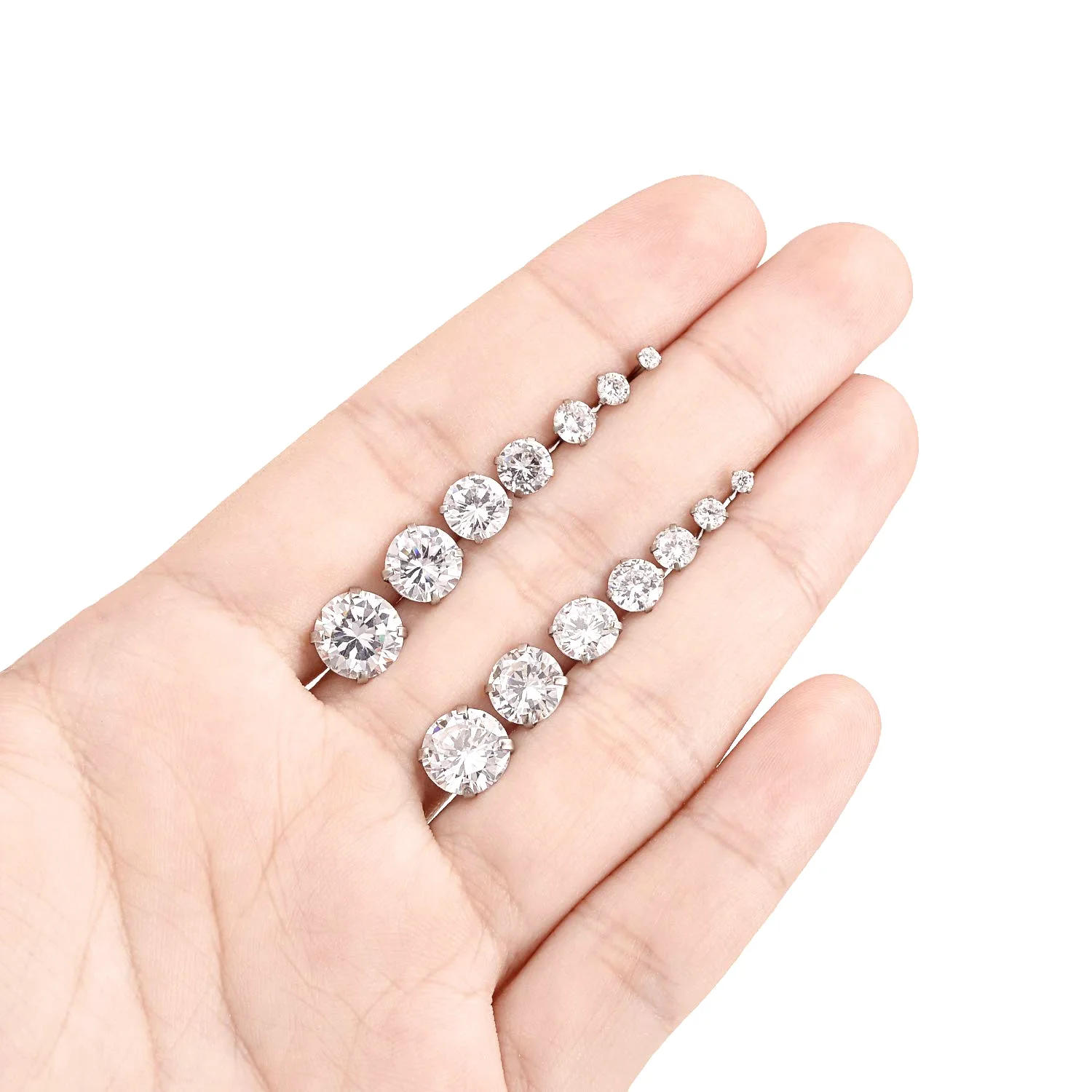
Every earring set we make prints a number with a G after it, and it is the number most people skip. It is the gauge: the thickness of the post, the part that goes through your ear. Get it right and a new stud slides in the way the old one came out. Get it wrong and you are pushing a thicker pin through a hole that settled around a thinner one.
The good news is that you do not have to measure anything. Your ear has already told you the answer, and it is written on, or can be read off, the jewelry you are wearing now.
The number runs backwards
Gauge is an old wire measure, and like shoe sizes in some countries it counts the wrong way round: the bigger the number, the thinner the wire. A 20G post is 0.8 millimeters across. An 18G is 1.0mm, a 16G is 1.2mm and a 14G, the usual belly ring, is 1.6mm, exactly twice the 20G lobe stud.
Those four numbers cover almost everything on this site that goes through a piercing.
| Gauge | Thickness | Where you meet it |
|---|---|---|
| 20G | 0.8mm | Lobe studs and most nose studs |
| 18G | 1.0mm | Some cartilage studs, horseshoe rings |
| 16G | 1.2mm | Eyebrow barbells, cartilage clickers |
| 14G | 1.6mm | Belly rings, dermal tops |
Why most earrings are 20G
A lobe pierced at a jewelry counter with a piercing gun is usually made for a 20G stud, and the earrings sold for those lobes followed. That is why nearly every lobe set we make sits on a 20G post, and why a 20G nose stud is the everyday size too.
A professional piercer often works with a thicker needle, 18G or 16G for cartilage and more for the navel. If your piercing was done in a studio, the gauge of the jewelry you left with is the number to match.
Reading your gauge off what you wear
Look first at the card or the box your current jewelry came in. Failing that, compare it with a stud you know: if a 20G earring from your drawer slides in easily and sits snug, that is your size or close to it.
Going thinner into a thicker hole is harmless: a 20G stud in an 18G piercing sits a little loose and wobbles. Going the other way is the one to avoid. A thicker pin forced into a thinner healed hole stretches it and can hurt, and the American Academy of Dermatology names soreness, redness and swelling among the signs to have a piercing looked at.
Gauge is not the bar, and not the stone
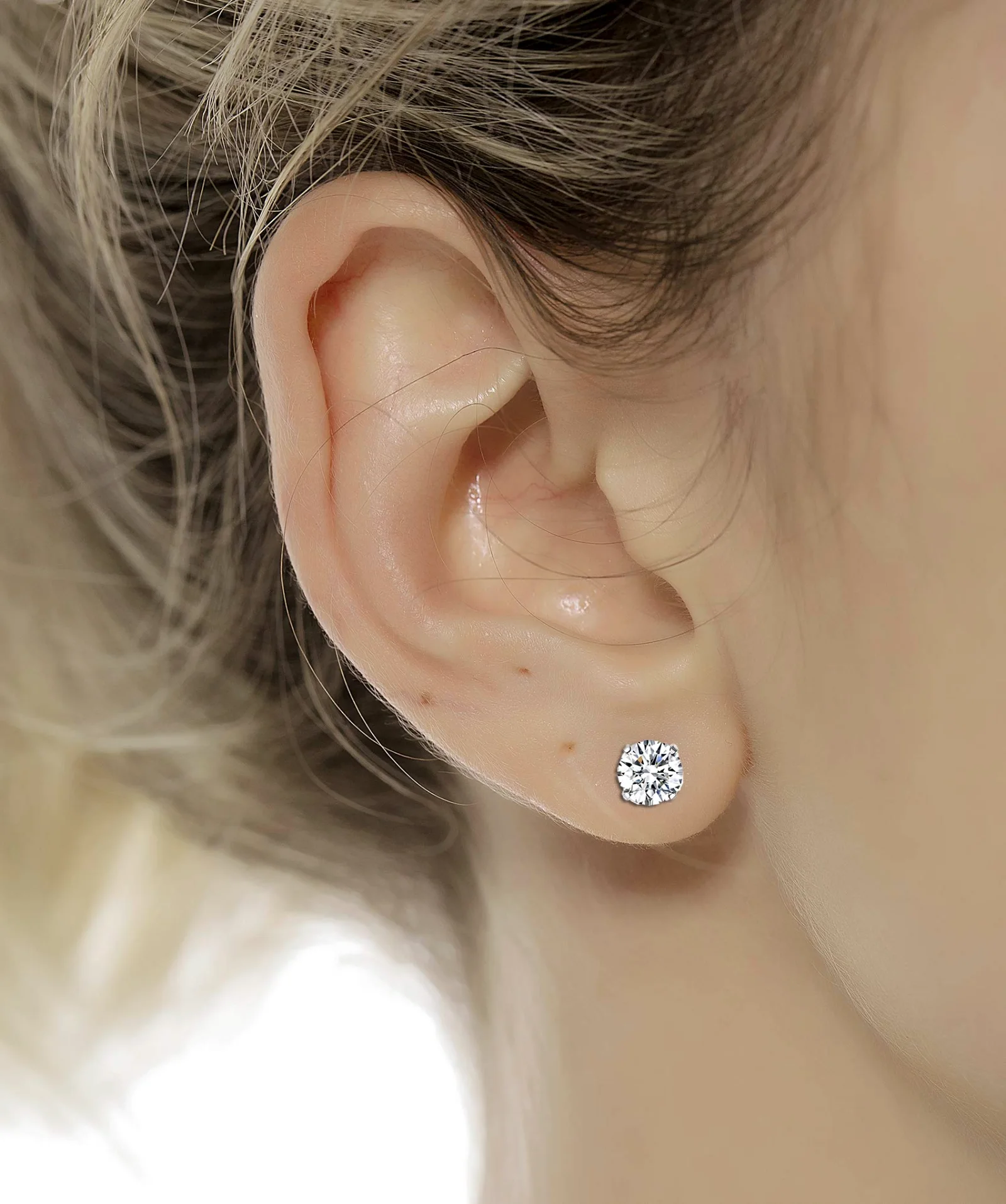
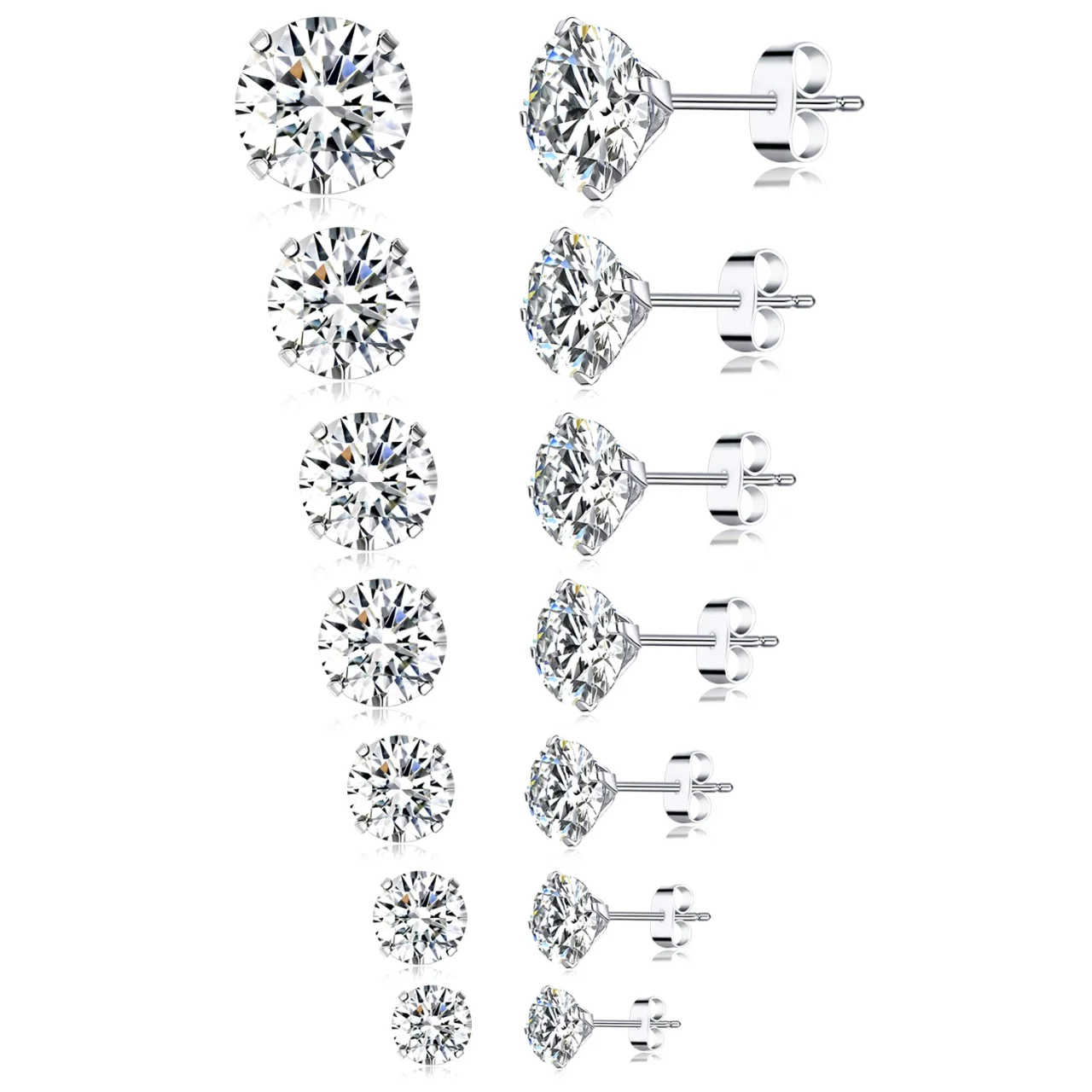
The gauge says how thick the post is. It says nothing about how long it is, which is the bar length, or how big the top is. A 3mm stone can sit on a 20G post or an 18G one, on a 6mm bar or an 8mm one.
That matters most on cartilage. A helix stud wants a short bar and a flat back; a tragus stud wants a short bar and a small top that stays clear of an earbud. The gauge makes it fit through the hole, and the bar makes it sit right once it is through.
- Gauge: how thick the post is. Match it to what you wear now.
- Bar length: how long the post is. 6mm for a thin lobe or helix, 8mm for a thicker lobe or a tragus.
- Top size: how big the stone or ball is. Your call, by taste and by how many holes you are filling.
The gauge on a fresh piercing
None of this applies to a piercing that has not healed. A new piercing keeps the jewelry your piercer put in until they say it can change, and the Association of Professional Piercers sets out what that jewelry should be: steel certified to ASTM F-138, implant-grade titanium, solid gold of 14k or more and a few other metals, in a gauge and length chosen for your anatomy. It rules plated jewelry out of a fresh piercing.
Once it has healed, the gauge you read off that starter jewelry is the one to shop by.
What to do with the number
Most of the sets on this site are 20G, and the gauge is printed on every card, so you can filter a shelf by it before you look at a single photograph. If your number is 18G or 16G, the filter shows the few sets cut for it, mostly on the cartilage and nose shelves.